Water Use in Power Washing: How to Reduce Unnecessary Waste
@juliuslqqv640
Power washing can remove stubborn dirt, algae, https://juliusrjbv274.scriblorax.com/posts/driveway-cleaning-secrets-that-restore-dull-richmond-curb-appeal and surface buildup without hours of scrubbing. But water use depends on more than the size of the machine. Equipment selection, cleaning technique, surface condition, and runoff management all affect how much water a job requires.
For Richmond homeowners and property managers, the goal is not simply to use the lowest possible flow rate. It is to get a safe, thorough clean without unnecessary rinsing, repeat work, or polluted runoff. Whether you are planning driveway cleaning, house washing, or roof cleaning, a few practical decisions can make a meaningful difference.
How Much Water Does Power Washing Use?
Pressure washers have two important ratings: pressure, measured in pounds per square inch, or PSI, and flow, measured in gallons per minute, or GPM. GPM determines how quickly water leaves the machine; PSI describes the pressure that helps dislodge material. Neither number alone tells you how efficiently a surface will be cleaned.
Many homeowner machines operate at approximately 1.2 to 2.5 GPM, while professional equipment commonly uses around 3 to 8 GPM or more, depending on the application. Check the equipment specifications rather than assuming that every pressure washer uses the same amount.
Calculate Water Use From Actual Spray Time
A useful starting estimate is:

Water used in gallons = flow rate in GPM × minutes with the trigger engaged.
For example, a 2.5 GPM machine spraying for 40 minutes uses approximately 100 gallons. A 4 GPM machine spraying for 20 minutes uses approximately 80 gallons. These examples illustrate why a lower-flow machine does not automatically use less water overall: cleaning speed matters too.
This calculation covers water discharged through the pressure washer. A complete estimate should also include separate garden-hose rinsing, plant protection, equipment flushing, and any water used to dilute cleaning products. Time spent moving furniture or repositioning hoses does not count as spray time unless water remains running.
Why Water Efficiency Matters in Richmond
Richmond’s humid conditions encourage algae and mildew on shaded siding, fences, and other outdoor surfaces. Leaves, pollen, and organic debris can also collect on driveways and patios. Regular maintenance can prevent these deposits from becoming harder to remove, reducing the need for repeated cleaning passes.
Runoff deserves equal attention. Across the Richmond area, drainage arrangements vary by neighborhood and jurisdiction. Some areas of the city have combined sewer infrastructure, while many properties drain through separate stormwater systems. Do not assume an outdoor drain carries wash water to a treatment plant. Water entering storm drains can carry contaminants toward local waterways, including the James River watershed.
In 2026, check current water-use restrictions and wastewater requirements before starting substantial exterior cleaning, particularly during dry weather. City of Richmond requirements may differ from those in Henrico or Chesterfield County. A Richmond mailing address does not necessarily mean the property falls within city jurisdiction.
Start With Dry Preparation, Not Running Water
One of the easiest ways to reduce waste is to remove loose material before connecting the pressure washer. Water should do the cleaning work that sweeping, brushing, or collecting debris cannot accomplish efficiently.

- Sweep hard surfaces: Remove leaves, sand, loose soil, and litter from driveways, sidewalks, and patios.
- Collect absorbable spills: Treat fresh oil or other spills with an appropriate absorbent, then dispose of the material according to local requirements.
- Move obstacles first: Relocate planters, furniture, vehicles, and portable decorations before spraying begins.
- Inspect the surface: Identify damaged mortar, loose paint, cracked siding, and other areas that need repair or a gentler method.
- Plan drainage: Locate nearby inlets and determine how wash water will be contained or collected before cleaning.
Do not wash debris into the street simply to clear a work area. That transfers the cleanup problem downstream and can create a blockage or pollution issue.
Match the Cleaning Method to the Surface
Driveway Cleaning: Use Consistent Coverage
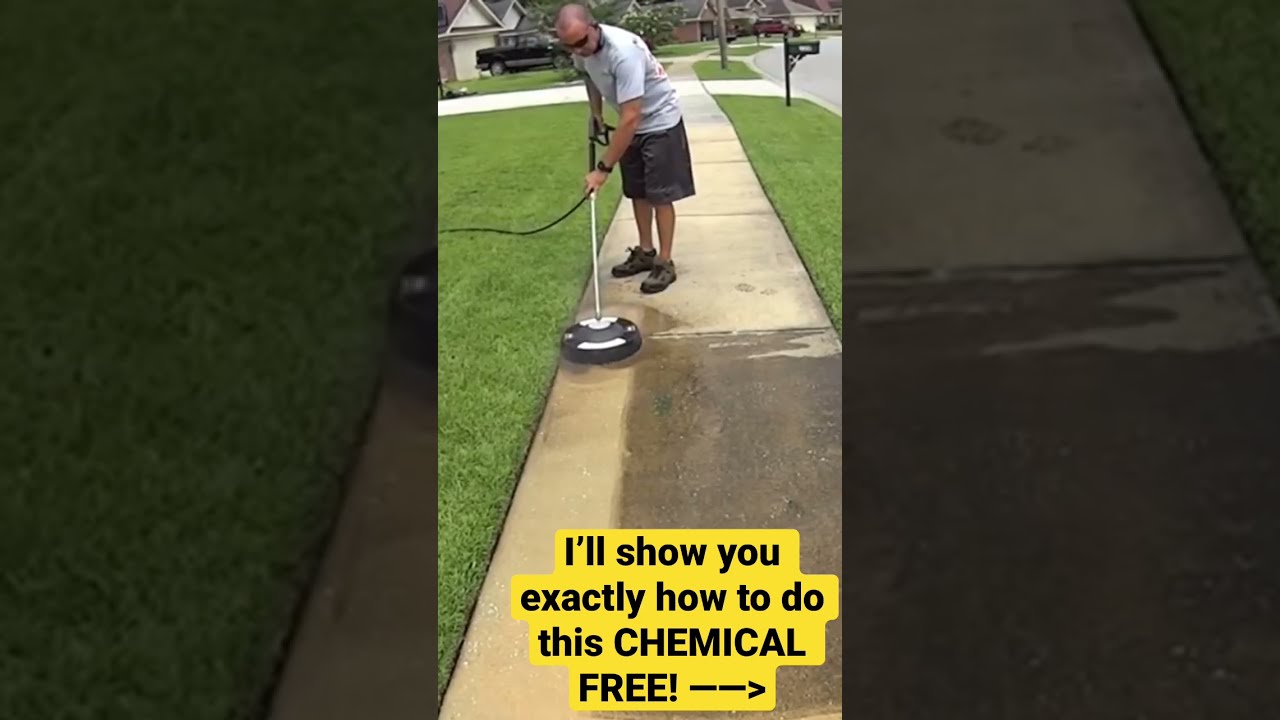
For suitable concrete surfaces, a properly matched surface cleaner can improve efficiency by maintaining a consistent cleaning width and nozzle distance. This often reduces striping and the repeated passes that occur when a narrow spray wand is used unevenly.
The attachment must suit the machine’s flow and pressure. An oversized surface cleaner can perform poorly on an underpowered washer, slowing progress and encouraging unnecessary repeat work. Use steady, overlapping passes and inspect the result before rinsing the entire area again.
Concrete condition also matters. New, weakened, decorative, or sealed concrete may require different pressure levels or cleaning methods. Excessive pressure can etch the surface or remove coatings, so the fastest-looking approach is not always the most efficient or safest.
House Washing: Let Appropriate Chemistry Help
House washing often works best with a low-pressure cleaning method and a product appropriate for the siding and contamination. When a suitable cleaner loosens organic buildup effectively, less mechanical force and fewer repeated passes may be necessary.
Follow the product label for dilution, application, dwell time, and rinsing. Longer dwell time is not automatically better, and allowing a cleaner to dry on the surface can cause damage or make rinsing more difficult. Work in manageable sections, particularly in direct sun or warm weather.
Keep spray away from electrical components and avoid directing water behind siding, into vents, or through vulnerable window seals. Never mix chlorine-based products with acids, ammonia, or incompatible cleaners.
Roof Cleaning: Avoid High Pressure on Asphalt Shingles
Roof cleaning is not simply driveway cleaning performed overhead. Asphalt shingles generally require a manufacturer-approved, low-pressure treatment rather than high-pressure washing, which can dislodge protective granules and damage the roof.
The correct approach depends on the roofing material and its manufacturer’s guidance. Some treatments require controlled rinsing; others work differently. Trying to force an immediate visual result with extra pressure or excessive rinsing can waste water and shorten the roof’s service life.
Roof work also introduces fall hazards and concentrated runoff risks. A qualified contractor should plan access, protect landscaping, and manage discharge rather than treating these as afterthoughts.
Choose Equipment for Efficiency, Not Just Maximum Pressure
A high PSI rating does not guarantee efficient cleaning. The nozzle, flow rate, attachment, and cleaning solution must work together. Use the least aggressive combination that cleans the surface effectively without damage.
A damaged or worn nozzle can alter the spray pattern and cleaning performance. Inspect tips, hoses, connections, and trigger guns before use. Repair leaks promptly: even a small continuous leak adds unnecessary consumption over a long job.
Release the trigger whenever you stop cleaning to reposition equipment or inspect the surface. Follow the manufacturer’s instructions for shutdown and bypass operation, because leaving some machines running without spraying for too long can overheat the pump.
In trade usage, power washing often refers to heated-water cleaning, while pressure washing commonly refers to unheated equipment. Heated water can help remove certain greasy deposits, potentially reducing cleaning time, but it also requires energy and is not suitable for every surface. Choose it for a specific cleaning need rather than assuming hotter always means better.
Control Runoff Instead of Diluting the Problem
Using less water is only part of responsible exterior cleaning. Wash water may contain oil, sediment, paint particles, detergents, or other pollutants. Adding more clean water does not make those contaminants disappear.
Before work begins, identify what is being removed and where the water could travel. Depending on the site, appropriate controls may include containment berms, drain covers, wet vacuums, or recovery equipment. A drain cover alone is not a complete solution if water can flow around it or accumulate unsafely.
Do not discharge collected wash water into a storm drain. Sanitary sewer disposal may require approval and may be restricted based on the contaminants present. Confirm disposal requirements with the relevant local utility or environmental authority before the job.
A product labeled “biodegradable” is not automatically safe for waterways or permitted for storm-drain discharge. Likewise, directing water onto landscaping is not universally appropriate; the cleaning chemicals, soil conditions, runoff potential, and local requirements all matter.
Protect Landscaping Without Overwatering
Plant protection may require water before, during, or after some cleaning treatments. That protective water serves a purpose and should not be eliminated merely to lower the total gallons used.
Instead, reduce unnecessary exposure. Control overspray, apply products accurately, and use only label-approved concentrations. Where temporary plant covers are appropriate, avoid trapping heat beneath them and remove them promptly when protection is no longer needed.
Plan smaller work sections so plants receive targeted attention rather than prolonged, indiscriminate soaking. Prevent concentrated roof or gutter discharge from pooling around sensitive vegetation.
Ask a Richmond Contractor These Questions
A responsible contractor should explain how the proposed method fits your property, not simply promise the highest pressure or the fastest appointment.
- What method will you use on each surface? Look for a distinction between concrete cleaning, siding treatment, and roof cleaning.
- How do you avoid unnecessary water use? Useful answers include dry preparation, matched equipment, controlled application, and limited repeat rinsing.
- Where will the wash water go? The contractor should consider nearby drains, pollutants, containment, and lawful disposal.
- How will you protect plants and vulnerable materials? Ask about chemical handling, overspray control, and surface inspections.
- Are current local restrictions relevant? Confirm the applicable jurisdiction and whether drought measures or discharge requirements affect the work.
Measure Results and Prevent Repeat Work
If you maintain several properties or clean large areas regularly, track estimated gallons alongside the area cleaned and the quality achieved. Gallons per square foot can help compare similar jobs, but only when surface type, soil level, and cleaning expectations are comparable.
For homeowners, simpler records are usually enough. Note the machine’s GPM, approximate spray time, cleaning method, and any areas that needed another pass. This can reveal whether better preparation or a different attachment would improve the next job.
Preventive maintenance also reduces future cleaning demands. Keep gutters functioning, remove accumulated leaves, and address drainage or irrigation problems that repeatedly wet exterior surfaces. Clean according to actual conditions rather than an unnecessarily frequent fixed schedule.
A Better Clean With Less Unnecessary Waste
Water-efficient power washing is about completing the right task correctly the first time. Dry preparation, suitable equipment, surface-specific methods, and controlled rinsing can reduce consumption without compromising results.
For Richmond properties, responsible cleaning also means protecting landscaping and keeping contaminated wash water out of storm drains. Whether you handle a small project yourself or hire a local pressure washing service, evaluate both how much water is used and where that water goes.
Richmond Pressure Cleaning
Unit 2/420 Church St, Richmond VIC 3121
ph. (03) 4231 7213