Eco-Friendly House Washing: Smarter Choices for Richmond
@juliuslqqv640
Richmond homeowners take exceptional pride in the appearance of their properties. From historic brick row houses in The Fan and Church Hill to mid-century ranches in the Near West End and modern builds in Short Pump, residential exteriors define the city's unique charm. However, Richmond's climate presents distinct challenges for property maintenance. Humid summers, damp winters, and an abundant tree canopy combine to create the ideal breeding ground for organic growth, including green algae, black mold, moss, and lichen.
Keeping homes clean traditionally relied on aggressive chemical applications and indiscriminate water usage. In 2026, property care in Central Virginia has undergone an environmental evolution. Homeowners increasingly seek eco-friendly alternatives that preserve structural surfaces while safeguarding surrounding landscaping, domestic pets, and the delicate James River watershed. Making smarter, greener decisions for exterior maintenance protects both property value and the regional ecosystem.
Understanding the Environmental Impact of Traditional Exterior Cleaning
For decades, standard exterior maintenance relied heavily on high concentrations of chlorine bleach (sodium hypochlorite), non-biodegradable surfactants, and high-pressure blasting. While these methods produce immediate visual results, the hidden environmental costs are significant. Richmond sits within the James River basin, meaning every drop of water that washes off a residential driveway, roof, or exterior wall eventually flows into local storm drains and municipal waterways without filtration.
When chemical runoff enters local tributaries like Reedy Creek or Gillies Creek, it disrupts aquatic life, alters soil pH, and damages delicate terrestrial vegetation. Overuse of caustic detergents strips natural protective oils from siding, degrades mortar between historical brickwork, and can scorch ornamental shrubs like boxwoods, hydrangeas, and azaleas that are staples of Richmond curb appeal. Furthermore, excessive chemical fumes diminish outdoor air quality around living spaces. Recognizing these adverse effects https://devinitvv667.keystonescope.com/posts/roof-cleaning-near-solar-panels-a-richmond-safety-guide has driven a significant shift toward sustainable practices that clean effectively without ecological harm.

Soft Washing vs. Traditional High-Pressure Power Washing
Understanding exterior maintenance begins with distinguishing between various cleaning techniques. Homeowners frequently confuse standard high-pressure systems with modern gentle methods. Selecting the appropriate technique depends entirely on the building material and the level of organic infestation present.
Traditional power washing relies on intense water pressure, often heated, to mechanically blast away contaminants. While effective for industrial masonry, using excessive pressure on residential structures presents significant risks. Blasting vinyl siding, wood clapboard, or vintage brick can force moisture behind the building envelope, resulting in hidden mold colonization, saturated insulation, and permanent surface etching. Water intrusion caused by excessive pressure can ruin internal wall cavities without showing external symptoms for months.
In contrast, low-pressure house washing—commonly referred to as soft washing—relies on chemistry rather than mechanical force. Soft washing applies specialized, environmentally responsible sanitizing solutions at low pressure (similar to the flow rate of an ordinary garden hose). This solution dissolves mold, mildew, and algae at the root level before being rinsed away thoroughly. Because soft washing treats the biological source rather than just removing top-layer grime, the results typically endure four to six times longer than aggressive pressure washing alone, requiring less frequent water consumption over the lifespan of the home.
Eco-Friendly Solutions for Roof Cleaning and Driveway Maintenance
Exterior maintenance extends beyond vertical siding. Horizontal surfaces and overhead structures require dedicated care strategies tailored to their unique materials and exposure levels.
Safe Practices for Roof Cleaning
Dark, vertical streaks on Richmond roofs are usually not dirt; they are airborne colonies of Gloeocapsa magma, a cyanobacteria that feeds on the limestone filler in modern asphalt shingles. Neglecting this growth traps moisture and accelerates shingle deterioration, shortening the roof's functional lifespan. Traditional high-pressure cleaning will dislodge the protective ceramic granules from shingles, effectively destroying the roofing system and voiding manufacturer warranties.

Sustainable roof cleaning utilizes low-pressure, targeted applications of biodegradable biocide solutions. These gentle formulations eradicate lichen, moss, and algae without loosening shingle granules. In 2026, responsible exterior cleaners utilize neutralizing agents and gutter catch systems that route roof runoff directly into containment tanks or controlled soil beds, preventing concentrated wash-off from entering stormwater infrastructure.
Responsible Driveway Cleaning and Surface Care
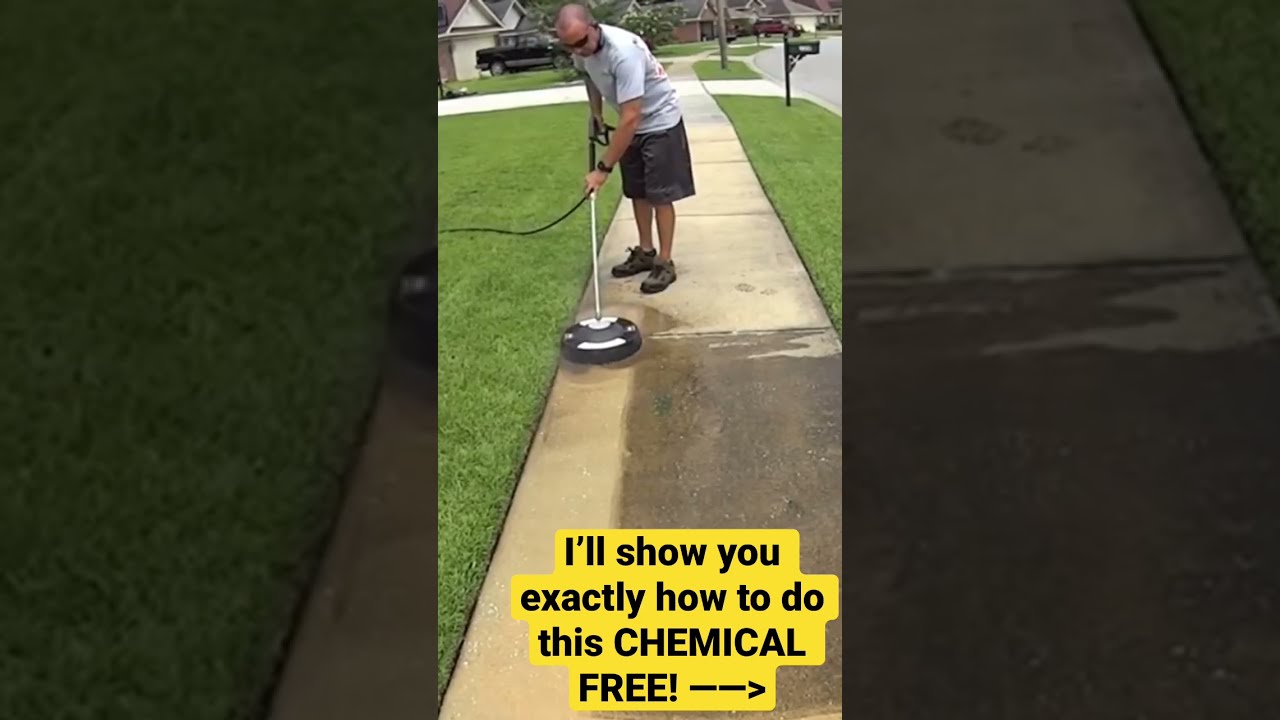
Driveways, walkways, and patios endure heavy foot and vehicle traffic, accumulating motor oil, tire rubber, fluid leaks, and atmospheric soot. Horizontal flatwork often requires mechanical agitation, making professional surface cleaners powered by balanced pressure systems ideal for these zones.
Eco-conscious driveway cleaning combines targeted surface rotary washers with non-toxic, enzyme-based degreasers. Enzymes biologically break down petroleum-based hydrocarbons into harmless carbon dioxide and water, eliminating stains without relying on harsh caustic solvents. By containing and filtering wastewater to trap sediment and suspended solids, property owners can achieve spotless concrete, aggregate, and pavers without releasing contaminants into municipal storm systems.
Modern Biodegradable Cleaning Formulations
The core of sustainable property care lies in the chemistry. As industry standards advance, eco-friendly exterior solutions prioritize botanical, mineral, and oxygen-based active ingredients rather than persistent toxic synthetics. These modern formulas break down into natural elements within hours of application, minimizing potential residue.
Homeowners evaluating sustainable exterior products should look for key biodegradable components that deliver professional-grade results safely:
- Sodium Percarbonate: An oxygen-based compound that breaks down into water, oxygen, and natural soda ash, providing powerful lifting action for wood decks, fences, and concrete without toxic fumes.
- Plant-Derived Non-Ionic Surfactants: Cleaning agents sourced from coconut, corn, or sugar beets that lower the surface tension of water, allowing solutions to penetrate deep into porous stone without leaving synthetic chemical traces.
- Chelating Agents from Natural Acids: Citric, gluconic, and glycolic acids that bind mineral deposits, hard water stains, and rust without destroying masonry binders or harming surrounding soil biology.
- Enzymatic Hydrocarbon Digestors: Specialized biological formulations containing active microbes that consume automotive oils and grease on driveways, converting petrochemicals into inert organic matter.
Water Conservation and Runoff Management in 2026
Eco-friendly house washing is as much about resource management as it is about chemical selection. Exterior cleaning requires water, but modern equipment drastically reduces total consumption compared to outdated methods. Advanced commercial machinery utilizes high-efficiency water delivery systems that optimize droplet size and surface impact, achieving superior coverage while consuming up to 60 percent less municipal water than traditional techniques.
Furthermore, modern exterior maintenance includes comprehensive landscape protection. Before and during the cleaning process, technicians saturate all nearby foundation plantings, flowerbeds, and turfgrass with clean water. Saturating the soil creates a natural hydraulic barrier; plant roots already full of fresh water cannot absorb any overspray that might drift into the landscaping. Dedicated technicians also apply plant-protectant rinses that buffer soil chemistry and neutralize residual cleaning solutions, leaving greenery hydrated, balanced, and vibrant.
Checklist for Hiring an Eco-Friendly Washing Service
Not every exterior maintenance service operates with equal environmental integrity. Homeowners seeking truly sustainable maintenance should thoroughly vet potential service providers before authorizing work on their properties.
- Verify Wastewater Protocol: Ask specifically how the company handles runoff. Responsible operators use drain covers, berms, or wastewater recovery systems to prevent wash water from entering public storm drains.
- Request Product Data Sheets: Ask for Safety Data Sheets (SDS) for any chemical solutions used on your property to ensure detergents are certified biodegradable, phosphate-free, and low-VOC.
- Inspect Landscape Defense Measures: Ensure the service includes active plant and property defense, including pre-soaking, continuous rinsing, and the use of dedicated landscape neutralization sprays.
- Confirm Soft Wash Capabilities: Ensure the contractor utilizes dedicated low-pressure soft washing equipment for siding and roofing rather than relying solely on high-pressure surface wands.
- Review Regional Licensing and Insurance: Verify that the business maintains comprehensive liability insurance and complies with all state and local environmental guidelines outlined by the Virginia Department of Environmental Quality.
Looking Ahead: Sustainable Property Care in 2027 and Beyond
The movement toward eco-conscious property preservation continues to accelerate. Looking ahead to 2027 and beyond, Richmond property owners can expect even greater integration of clean technologies in exterior cleaning. Developments on the horizon include closed-loop water filtration trailers that collect, purify, and reuse wash water on-site, dramatically reducing total water draw. Additionally, advancements in microbial barrier coatings will offer protective seals applied after washing, naturally inhibiting fungal and algal spores from adhering to surfaces for years at a time.
Adopting responsible, eco-friendly exterior maintenance today is an investment in both personal real estate and the broader community. By choosing low-pressure soft wash methods, biodegradable cleaning agents, and rigorous water management practices, Richmond homeowners can preserve historic architecture, boost curb appeal, and protect the iconic James River for generations to come.
Richmond Pressure Cleaning
Unit 2/420 Church St, Richmond VIC 3121
ph. (03) 4231 7213